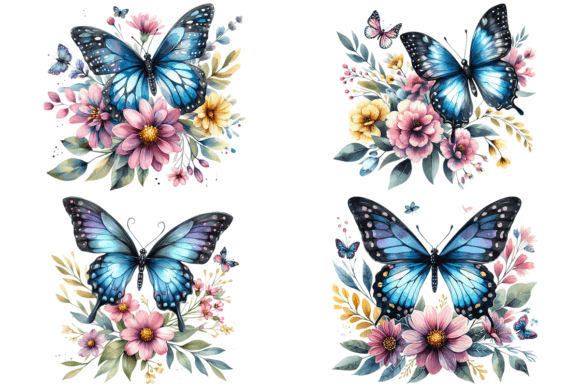
Butterfly and Flower Watercolor Clipart: Elegant Design Assets
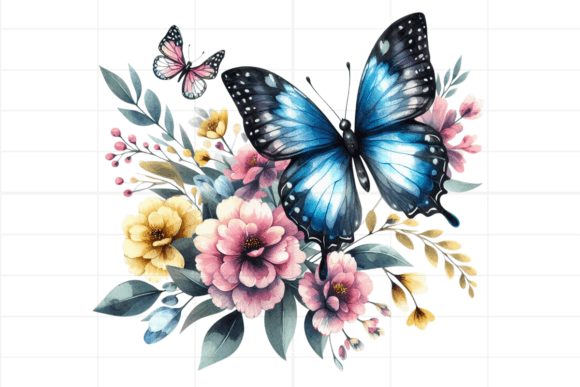
When you’re building a brand or creating a product, the small details often make the biggest impact. A single, well-chosen graphic can elevate a design from ordinary to memorable. That’s the power of a resource like Butterfly and Flower Watercolor Clipart. This isn't just a collection of pretty pictures; it's a versatile design asset that brings a specific, hand-painted aesthetic to your work. The soft, fluid strokes of watercolor create an organic, artistic feel that digital tools often struggle to replicate. This particular set, featuring delicate butterflies intertwined with blossoms, captures a sense of natural elegance and springtime renewal.
The personality of this clipart is gentle, sophisticated, and whimsical. It avoids the hard edges of vector graphics, instead offering the textured, slightly imperfect charm of a real painting. This quality makes it incredibly appealing for projects that aim to feel personal, artisanal, or connected to nature. The color palette often leans into soft pastels—think blush pinks, creamy whites, gentle lavenders, and touches of vibrant turquoise or deep violet—making it adaptable to a wide range of color schemes without overwhelming your primary typography or message.
Where This Watercolor Clipart Truly Shines
Understanding the right context for a design asset is key to using it effectively. The Butterfly and Flower Watercolor Clipart excels in scenarios where you want to inject beauty and a touch of magic without compromising professionalism. Its high-resolution, transparent PNG format means it’s ready for both digital and physical applications.
For brand identity and logo design, a single, stylized butterfly or a small floral cluster can serve as a beautiful brand mark for businesses in wellness, beauty, boutique retail, or event planning. It adds an immediate layer of sophistication. In editorial and web design, these elements work wonderfully as section dividers, featured image accents, or subtle background textures for blogs focused on lifestyle, gardening, or motherhood. They help break up text-heavy layouts and guide the reader’s eye.
The applications extend far beyond screens. For packaging design, imagine these watercolor elements on a candle box, a soap wrapper, or a tea tin. They instantly communicate quality and care. Small business owners and crafters can use them to create stunning products for sale: think custom stationery, art prints, tote bags, or mugs. The included commercial license allows for this, making it a practical investment. Furthermore, for social media graphics and digital marketing, these cliparts can frame quotes, highlight promotions, or decorate Instagram stories, adding visual interest that stops the scroll.
Integrating the Asset into Your Design Workflow
Simply having a beautiful asset isn’t enough; knowing how to integrate it is what separates good design from great. When working with the Butterfly and Flower Watercolor Clipart, consider its role in your project’s visual hierarchy. It should support your main message, not compete with it. Use it as an accent—a corner flourish, a divider, or a small icon—rather than the central focus unless the design specifically calls for it.
Pairing is critical. The organic nature of watercolor pairs beautifully with clean, modern typography. Try combining it with a serif font for a classic, elegant look, or with a sans serif font for a fresh, contemporary contrast. A script font can also work well for headlines, but ensure it remains legible. The key is balance. Let the clipart add texture and color while your typeface handles clarity and information.
Always test the clipart in context. Place it against your chosen background color. Does the transparency hold up? Does it need a slight drop shadow for depth? How does it look at different sizes? Because it’s a high-resolution 300 DPI file, you can scale it down for a small icon or use it at its full 10x10 inch size for print projects like posters or invitations without losing quality. This flexibility is a hallmark of a premium font or asset—it performs reliably across mediums.
Making the Practical Choice for Your Project
Before downloading any design asset, a quick evaluation ensures it’s the right fit. Look at the provided tags: terms like isolated, cut-out, transparent background confirm its usability. The mention of specific colors—lavender, blush, turquoise—helps you visualize its compatibility with your existing brand palette. Does the style align with your project’s personality? If your brand voice is sleek and minimalist, a full floral bundle might be too busy. If it’s romantic and vintage, this clipart could be perfect.
Think about the end use. If you’re creating a greeting card or baby shower invitation, the whimsical, celebratory nature of butterflies and flowers is ideal. For a corporate report, it would be out of place. Always consider your audience. This aesthetic resonates strongly with a demographic that appreciates craftsmanship, nature, and beauty—making it a strategic choice for targeting adults in the 20-50 range with those interests.
Ultimately, the Butterfly and Flower Watercolor Clipart is more than a decorative element. It’s a tool for storytelling. It can soften a brand’s image, add a layer of artistic integrity to a product, and create an emotional connection with an audience. By using it thoughtfully—respecting its style, testing its application, and pairing it with complementary typography—you can leverage this asset to build more beautiful, engaging, and professional designs.