Unleashing the Wild: The Fur Texture Animal Typeface
A Typeface with a Pulse: Understanding the Visual Character
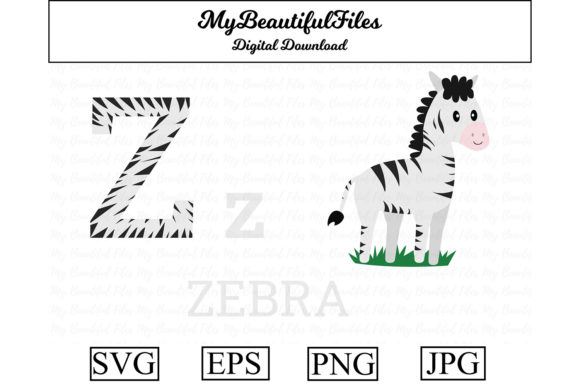
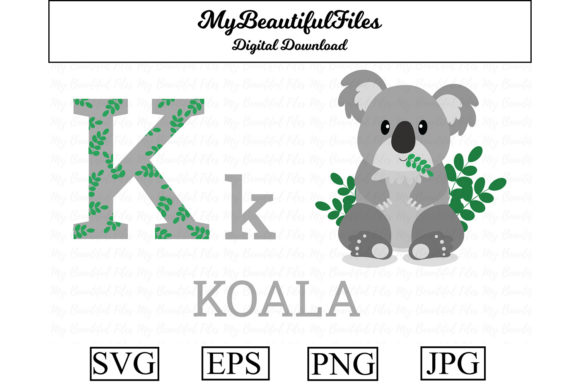
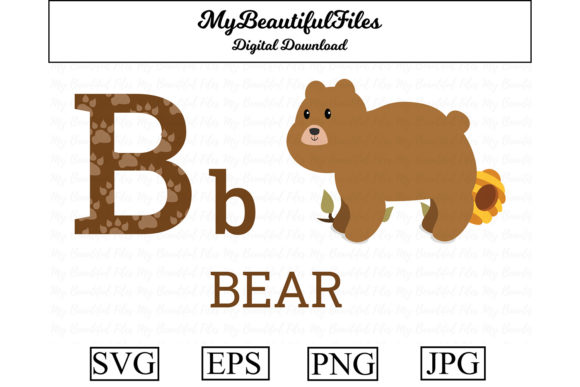
There is a distinct difference between a font that merely exists and one that roars. The Fur Texture Animal is unmistakably the latter. It isn't just a collection of glyphs; it is a carefully constructed piece of visual storytelling that brings the raw, tactile sensation of nature into your digital workflow. When you look at this typeface, you aren't just seeing letters; you are seeing depth, shadow, and a three-dimensional presence that standard vector fonts rarely achieve. The defining characteristic of Fur Texture Animal is its integrated grain. Unlike standard typefaces that rely on smooth, clean curves, this design embraces the irregularity of organic matter. It mimics the coarse, fibrous structure of animal hide, giving every letterform a rugged, tactile weight that demands attention.
The visual personality of this design sits comfortably between the wild and the sophisticated. It avoids looking messy or chaotic—common pitfalls when dealing with textured designs—by maintaining a strict underlying structure. The serif elements (or lack thereof, depending on the specific cut) are bold and commanding, ensuring that the texture enhances rather than obscures the letter shape. This balance is crucial for any premium font. You want the viewer to feel the "fur" without struggling to read the word. It strikes a perfect balance between the raw aesthetic of the wilderness and the precision of modern typography. The overall appeal is one of warmth and authenticity. In a digital landscape saturated with cold, geometric sans-serifs, Fur Texture Animal offers a welcome return to the tangible, making it an instant favorite for designers looking to inject personality into their brand identity.
Strategic Deployment: Where Texture Meets Functionality
Knowing a font looks good is one thing; knowing where to deploy it is where strategy comes into play. As a distinct display font, Fur Texture Animal is rarely the right choice for body text or lengthy paragraphs. Its strength lies in impact. Think of the "hero" section of a website, the masthead of a magazine, or the focal point of a poster. For editorial design, this typeface can transform a standard headline into a piece of art. Imagine a feature story on wildlife conservation or a rugged outdoor adventure brand; using this font for the title sets the mood instantly, bypassing the need for lengthy introductions. It tells the reader, before they even scan the subtext, that the content is going to be bold, organic, and immersive.
In the realm of packaging design, Fur Texture Animal offers a distinct competitive advantage. We live in an era where "unboxing" experiences are shared on social media, and tactile packaging often translates well visually. This font mimics the feel of high-end materials—think embossed leather labels on artisanal goods, rustic branding for outdoor gear, or playful typography for children’s products featuring animal themes. For small business owners and crafters, the versatility of the included files is a massive asset. You mentioned the file formats—AI, SVG, Transparent PNG, JPG, and EPS—and this is where the utility shines. The Transparent PNG allows hobbyists to instantly overlay the texture onto merchandise like tote bags or t-shirts in mockup software without needing to mask layers manually. Meanwhile, the SVG and AI files ensure that professional designers can scale the design for massive billboards or intricate stickers without losing a single pixel of quality.
Building a Cohesive Visual Ecosystem
One of the most common questions I hear from clients is how to maintain professionalism while using a creative font like this. The key is visual hierarchy. If Fur Texture Animal is the star of the show, your supporting cast needs to play a complementary role. Because this is a heavy, textured typeface, it pairs beautifully with clean, neutral typefaces. A geometric sans serif font or a minimalist serif font for body text can ground the wild nature of the headlines. If you pair it with another ornate script font or a busy handwritten font, the result will likely be visual noise rather than harmony.
Consider the psychology of color here. The texture of this font has a natural affinity for earth tones—deep browns, forest greens, slate grays, and burnt oranges. However, don't be afraid to experiment with high-contrast neon colors for a more modern, streetwear aesthetic. The grain of the Fur Texture Animal holds color differently than a flat surface; it absorbs it, giving the final product a depth that flat colors cannot replicate. This makes it an exceptional choice for social media graphics where you have about two seconds to stop a user from scrolling. A static image using this font can almost simulate motion or texture in a way that flat web design elements cannot.
Practical Integration and Licensing Considerations
For the entrepreneur or marketer evaluating design assets, the decision to use Fur Texture Animal should be based on your target audience's expectations. If you are marketing a tech startup focused on minimalism, this might be too aggressive. But if you are in the fashion industry, specifically streetwear or outdoor apparel, or if you are a content creator focusing on nature, gaming, or fantasy, this is an invaluable addition to your toolkit. It is a commercial font that bridges the gap between high-concept design and accessibility.
When testing font pairing, I recommend looking at the "x-height" and the weight of the characters. Fur Texture Animal tends to be visually heavy. Therefore, if you are designing a logo, ensure there is plenty of "breathing room" (white space) around the text. If you cram it into a tight space, the texture will become muddy and illegible, especially at smaller sizes like on business cards. Always view the design at the intended output size. A design that looks majestic on a 27-inch monitor might turn into a dark blob on a mobile screen or a printed poster viewed from a distance. Test the Transparent PNG against both light and dark backgrounds to see how the "fur" interacts with the underlying layers.
Finally, regarding the assets provided: having access to the EPS and AI files means you have full control over the vector paths. This is essential for advanced customization. You can edit anchor points, alter the color of specific fur strands, or merge the text with other vector elements to create a truly unique logo design. This level of flexibility is what separates a generic download from a professional design asset. Whether you are printing on clothes, designing digital ads, or creating stationery, Fur Texture Animal provides the raw materials to build something that feels authentic, tactile, and undeniably powerful.